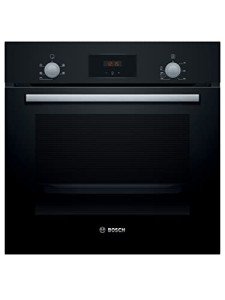
10 Tell-Tale Warning Signs You Should Know To Get A New Built In Electric Oven
The Comprehensive Guide to Built-In Electric Ovens
Introduction
Built-in electric ovens have become a staple in modern kitchen areas, merging benefit with performance while improving the overall visual of cooking spaces. Unlike traditional freestanding designs, built-in ovens are integrated into cabinetry, providing a sleek and seamless appearance. In this article, we will explore the numerous elements of built-in electric ovens, including their benefits, features, installation factors to consider, and maintenance ideas. In addition, some regularly asked questions will be dealt with to offer a detailed understanding of this kitchen appliance.
- * *
Tabulation
- What is a Built-In Electric Oven?
- Advantages of Built-In Electric Ovens
- Key Features to Consider
- Setup Guidelines
- Upkeep and Care
- Often Asked Questions (FAQs)
- Conclusion
- * *
1. What is a Built-In Electric Oven?
A built-in electric oven is a kind of cooking device that is developed to be set up directly into kitchen cabinets. It runs utilizing electricity and can be integrated into wall units or underneath the counter top. This kind of oven offers versatility in style and can be combined with other appliances to produce a cohesive kitchen design.
2. Benefits of Built-In Electric Ovens
Built-in electric ovens featured several advantages that make them a popular choice amongst property owners and chefs alike. Here are some key benefits:
- Space-saving Design: Built-in ovens maximize counter top space, creating a less messy kitchen environment.
- Visual Appeal: They supply a more refined appearance, permitting for modification with kitchen cabinetry, which can elevate the general design of the kitchen.
- Enhanced Accessibility: These ovens are often set up at eye level, making it simpler to check food without bending down and lowering the danger of spills.
- Versatile Cooking Options: Many built-in electric ovens come with several cooking functions such as baking, broiling, and convection settings for adaptability.
- Energy Efficiency: Electric ovens tend to be more energy-efficient than gas designs, making them an eco-friendly choice for the home.
3. Secret Features to Consider
When choosing a built-in electric oven, it is vital to examine different functions to guarantee it fulfills cooking requirements. Here are some functions to search for:
- Capacity: Choose an oven size that fits your household's cooking requirements; capabilities generally range from 24 to 30 inches.
- Convection Settings: Convection ovens utilize a fan to distribute hot air, promoting even cooking and browning.
- Self-Cleaning Options: Many modern-day ovens included self-cleaning abilities, conserving effort and time.
- Smart Technology: Some built-in electric ovens boast wise performances, enabling users to control settings through smartphone apps.
- Numerous Racks: Check if the oven has adjustable racks to accommodate different sizes of pots and pans.
Function
Description
Size
Ranges from 24 to 30 inches
Self-Cleaning Option
Yes/No
Convection Feature
Yes/No
Smart Technology
Yes/No
Variety of Racks
Adjustable racks for different cooking needs
4. Installation Guidelines
Setting up a built-in electric oven needs cautious consideration and planning. Here are some steps to follow throughout the setup process:
- Measure the Space: Ensure that the oven will suit the designated cabinet requirements, thinking about any extra clearance required for ventilation.
- Electrical Outlet: Verify that an ideal electric outlet is offered near the installation website, as many built-in electric ovens require a dedicated 240-volt circuit.
- Level the Oven: A level setup is vital to make sure even cooking. Usage built in oven and hob or spacers to assist in leveling the oven.
- Secure the Oven: Once positioned in the cabinet, secure the oven according to the manufacturer's instructions to prevent movement during usage.
- Test Functionality: Before completing the setup, test the oven to guarantee it operates efficiently and safely.
5. Upkeep and Care
Proper maintenance is essential for ensuring the longevity and effectiveness of a built-in electric oven. Here are some upkeep ideas:
- Regular Cleaning: Wipe down the outside and interior of the oven after each usage; for self-cleaning designs, follow the maker's standards.
- Check Seals and Gaskets: Inspect oven door seals for wear and tear, as efficient seals avoid heat loss and energy waste.
- Adjust the Oven: If food is regularly overcooking or undercooking, consider recalibrating the oven temperature level according to the user manual.
- Set up Servicing: It is recommended to have the oven serviced by an expert technician yearly to guarantee it stays in excellent working condition.
6. Frequently Asked Questions (FAQs)
Q1: Do built-in electric ovens require special setup?
- Yes, built-in electric ovens require expert installation to guarantee they are securely integrated into kitchen cabinetry and linked to the electrical system.
Q2: Can built-in electric ovens be utilized for numerous cooking strategies?
- Yes, lots of contemporary built-in electric ovens provide various cooking methods, consisting of baking, roasting, broiling, and convection cooking.
Q3: Are built-in electric ovens more energy-efficient than traditional designs?
- Typically, electric ovens can be more energy-efficient than gas varieties, particularly with features like self-cleaning and convection cooking.
Q4: How frequently should I clean my built-in electric oven?
- It is suggested to clean up the oven regularly and to use the self-cleaning function (if readily available) at least every few months based upon usage.
7. Conclusion
Built-in electric ovens are an advanced addition to any kitchen, combining functionality with style. With their different functions, energy efficiency, and sleek design, they can considerably boost both the cooking experience and the general kitchen aesthetic appeals. By comprehending their benefits, installation requirements, and maintenance requirements, property owners can make informed decisions when buying this crucial kitchen device.
- * *
Integrating a built-in electric oven into your kitchen can be a transformative option – one that raises both the cooking experience and the charm of the kitchen space.